
Quick Answer: How Long Does TMS Last?
For most patients, the therapeutic relief from a full course of Transcranial Magnetic Stimulation (TMS) lasts between 12 months and 2 or more years. Naturalistic clinical studies confirm that roughly 68% to 70% of patients who achieve remission or clinical response maintain their improvements at the 12-month mark without requiring ongoing daily sessions.
- Single Daily Session Length: Each treatment appointment takes only 19 to 37 minutes (or 3 minutes with theta-burst protocols), with no anesthesia and zero recovery downtime.
- Acute Course: The standard initial protocol entails 36 total sessions administered over 6 to 9 weeks to trigger enduring synaptic remodeling.
- Long-Term Durability: TMS physically strengthens neural pathways in the dorsolateral prefrontal cortex (DLPFC) via neuroplasticity. If depressive symptoms ever resurface, brief booster sessions restore remission in over 85% of re-treated patients.
When dealing with persistent, treatment-resistant depression that fails to respond to multiple antidepressants, discovering an FDA-cleared, non-drug modality like Transcranial Magnetic Stimulation (TMS) offers renewed hope. Yet before starting treatment, patients consistently ask: how long does TMS last?
Does TMS provide permanent relief? How long does a daily session take, and what do clinical trials reveal about relapse rates after 12 to 24 months? Distinguishing between daily session length, protocol duration, and long-term neuroplastic durability is essential when evaluating care.
At Interventional Psychiatry of Arizona, our psychiatric specialists provide state-of-the-art mental healthcare across Phoenix, Scottsdale, Tempe, and Glendale. Below, we examine the clinical science of TMS durability, review peer-reviewed research, explore the biology of neuroplastic remission, and explain our proactive maintenance strategies to sustain mental wellness.
The Three Timelines: What "How Long Does TMS Last" Really Means
To fully answer how long does TMS last, we must address the three distinct timeframes involved in treatment:
1. How Long Does a Single Daily TMS Session Last?
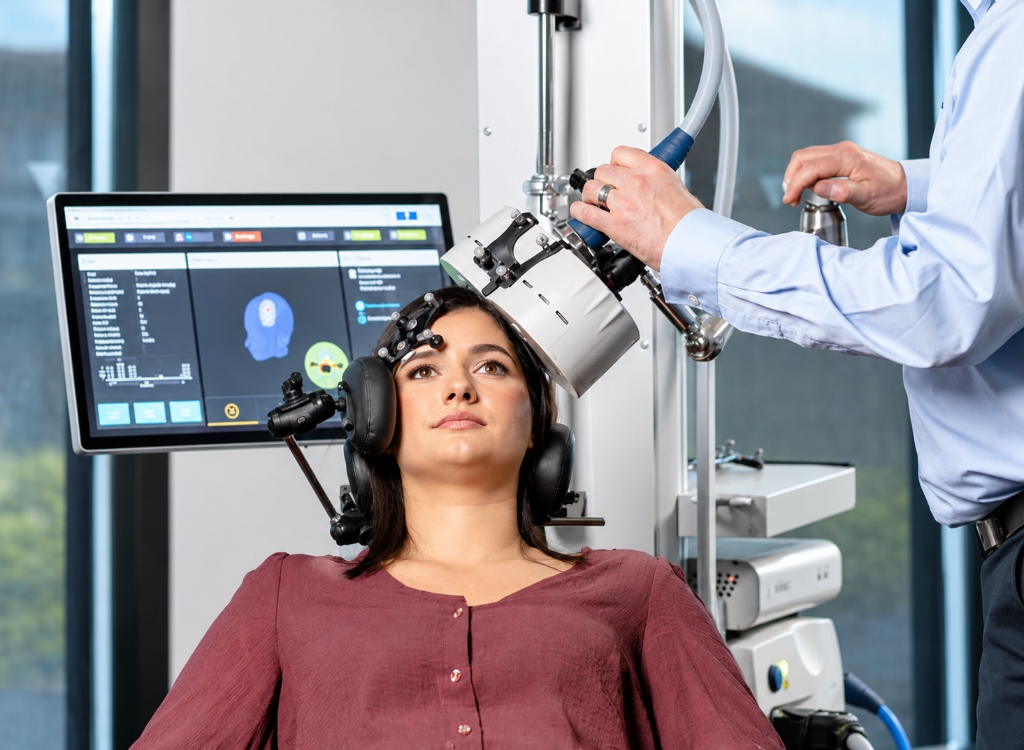
An individual daily TMS session lasts between 19 and 37 minutes, depending on whether standard rTMS or accelerated intermittent theta-burst stimulation (iTBS) is prescribed. Because the procedure is completely non-invasive with zero sedation, you can comfortably relax, listen to music, or read during treatment, then immediately drive back to work or home.
2. How Long Does the Acute Treatment Protocol Last?
A standard therapeutic course for major depressive disorder and treatment-resistant depression consists of 36 total sessions delivered over 6 to 9 weeks. Patients typically receive 5 treatments per week for 6 weeks, followed by a gradual 3-week tapering phase. To learn more about treatment scheduling and protocols, see our comprehensive guide on How Many Sessions of TMS Are Needed?.
3. How Long Do TMS Therapeutic Results and Remission Last?
Clinical benefits typically endure for 12 to 24+ months. While TMS is not classified as a "permanent cure"—since major depression is a biologically complex condition influenced by life events, genetics, and stress—it creates structural synaptic adaptations that far outlast pharmaceutical medications. Many individuals remain in remission indefinitely, while others benefit from periodic clinical check-ins or brief touch-up sessions.
Clinical Durability: What Peer-Reviewed Studies Demonstrate
Multiple long-term studies published in respected psychiatric journals have evaluated patient outcomes at 6 months, 12 months, and beyond following TMS completion:
| Timeframe | Remission & Response Status | Clinical Trial Findings |
|---|---|---|
| Completion (Weeks 6–9) | Peak Clinical Remission | Up to 70% of medication-resistant patients achieve meaningful symptom reduction; 45%–55% reach full remission. |
| 3 to 6 Months | High Clinical Stability | Over 80% of responders maintain stabilized mood, improved sleep, and restored emotional resilience. |
| 12 Months (1 Year) | Long-Term Durability | 68%–70% of patients remain well without requiring additional daily interventions. |
| 2 Years & Beyond | Sustained Wellness / Booster Phase | Many patients stay symptom-free; for those noting symptom recurrence, brief booster sessions restore wellness in 85%+ of cases. |
A landmark naturalistic study by Dunner et al. evaluated patients with major depression across 42 clinical sites over 12 months. The authors found that the vast majority of TMS responders experienced durable, sustained relief throughout the year. Unlike oral antidepressants, which often lose efficacy over time due to receptor tolerance (often termed "antidepressant poop-out"), TMS changes the underlying neural architecture.
Wondering If You Qualify for Long-Lasting TMS Therapy?
If traditional medications have failed to relieve your depression or anxiety, you may be an ideal candidate for FDA-cleared TMS therapy covered by major insurance plans. Explore Our TMS Therapy Services in Phoenix →
The Neurobiology: Why TMS Results Are So Long-Lasting
The primary reason TMS produces lasting relief lies in neuroplasticity and long-term potentiation (LTP). As explained in our clinical overview on How Neural Pathways Work and Increasing Neuroplasticity, here is what happens during a full TMS treatment course:
- Targeted Stimulation of the DLPFC: Depression causes sluggish metabolic activity in the left dorsolateral prefrontal cortex (L-DLPFC). TMS uses focused magnetic pulses to awaken underactive neurons.
- Synaptogenesis & Dendritic Growth: Repeated pulses encourage neurons to grow new synaptic connections and strengthen existing communication pathways.
- BDNF Production: Magnetic stimulation triggers the release of Brain-Derived Neurotrophic Factor (BDNF), a vital neuroprotein that protects brain cells and fosters long-term neuronal survival.
- Limbic Circuit Regulation: The prefrontal cortex connects directly to deep emotional structures, including the amygdala and hippocampus. Strengthening prefrontal control calms the overactive stress circuits responsible for chronic depressive despair.
Because TMS physically reorganizes and strengthens neural circuits rather than simply flooding synapses with synthetic chemicals, the therapeutic gains remain intact long after the stimulation series concludes.
Durability Comparison: TMS vs. Antidepressants vs. Spravato vs. ECT
Evaluating TMS alongside other clinical modalities underscores its unique balance of durability, tolerability, and safety:
| Treatment | Remission Durability | Systemic Side Effects | Ongoing Burden |
|---|---|---|---|
| TMS Therapy | 1 to 2+ Years (68%–70% stay well at 12 months) | None; mild temporary scalp tingling during initial days | None required daily; brief booster sessions only if symptoms return |
| Oral Antidepressants | Short; relapse frequently occurs quickly if medication is stopped | Weight gain, sexual dysfunction, fatigue, nausea, emotional numbing | Requires perpetual, indefinite daily pill consumption |
| Spravato® (Esketamine) | Rapid relief; maintained with bi-weekly or monthly sessions | Temporary dissociation, dizziness during in-office monitoring | Ongoing scheduled clinical maintenance appointments |
| Electroconvulsive Therapy (ECT) | High acute response; relatively high relapse without maintenance ECT | General anesthesia, retrograde/anterograde memory gaps, confusion | Maintenance ECT or heavy combination psychopharmacology |
For an in-depth clinical comparison with electroconvulsive therapy, read our detailed article on Understanding the Difference Between ECT and TMS for Depression.
Factors Influencing How Long TMS Therapy Lasts for You
Individual remission durability varies depending on several clinical and lifestyle elements:
1. Adherence to the Entire 36-Session Series
When patients begin feeling noticeably better by week 3 or 4, some consider stopping early. However, completing the full protocol and the 3-week tapering schedule is essential to consolidate synaptic strength and reduce future relapse risk.
2. Synergistic Psychotherapy
Because TMS clears cognitive fog and restores executive concentration, it opens an ideal therapeutic window. Engaging in CBT or mindfulness therapy while the brain is receptive reinforces positive cognitive patterns and helps prevent relapse.
3. Sleep Architecture & Physical Wellness
Quality sleep is essential for brain cell detoxification and emotional equilibrium. Pairing TMS with consistent sleep habits and regular physical exercise stimulates continued BDNF release. For strategies on restorative rest, review our guide on Sleep Problems & Insomnia.
4. Managing Trauma & Stressors
Chronic unresolved trauma can place ongoing strain on mood circuits. Discover how trauma affects cognition in our guide on Does PTSD Cause Memory Loss? and learn how veterans and first responders benefit on our TMS for Veterans page.
Experience Lasting Relief from Treatment-Resistant Depression
You do not have to endure recurring cycles of severe depression. Our psychiatric team provides precise neuronavigation, compassionate care, and dedicated long-term relapse prevention programs throughout Arizona.
Serving Phoenix, Scottsdale, Tempe, Glendale, Mesa, Chandler, Paradise Valley & surrounding communities.
What If TMS Wears Off? Booster Sessions & Maintenance
A major advantage of TMS therapy is that if depressive symptoms ever begin to re-emerge, re-treatment is exceptionally effective.
For the minority of patients who notice gradual symptom recurrence after 12 to 18 months, our clinicians implement structured maintenance protocols:
- Routine Clinical Monitoring: We use standardized metrics (such as the PHQ-9) to detect mood shifts early, before an acute depressive episode can develop.
- Targeted Booster Sessions: Instead of undergoing a full 36-session series, patients often require only a brief "booster" series of 5 to 10 sessions to re-engage prefrontal neuroplasticity.
- High Re-Response Success: Over 85% of previous responders achieve rapid improvement upon re-treatment, as established neural pathways reactivate quickly.
- Insurance Coverage: Commercial insurance and Medicare routinely authorize repeat TMS courses with documented previous benefit.
Final Thoughts: Reclaiming Long-Term Mental Wellness Through Neuroplasticity
Struggling with treatment-resistant depression often leaves individuals feeling exhausted and disillusioned, particularly after cycling through countless medications with frustrating side effects and diminishing returns. When asking how long does TMS last, the most empowering takeaway is that Transcranial Magnetic Stimulation is not a temporary chemical band-aid. By directly targeting the dorsolateral prefrontal cortex and stimulating the brain’s innate capacity for neuroplasticity, TMS fosters genuine, long-term biological repair.
With 68% to 70% of patients maintaining remission at the 12-month mark and many remaining symptom-free for two or more years, TMS stands as one of the most durable, well-tolerated depression treatments in modern interventional psychiatry. Moreover, knowing that brief booster sessions deliver an 85%+ re-response rate provides patients with an enduring clinical safety net and peace of mind.
At Interventional Psychiatry of Arizona, our compassionate clinical team is dedicated to helping you achieve and sustain lifelong emotional wellness. Whether you are exploring TMS therapy for the first time or seeking personalized care for treatment-resistant depression in Phoenix, Scottsdale, or Tempe, we are here to support every step of your recovery journey.
Frequently Asked Questions About How Long TMS Lasts
1. How Long Does TMS Last for Depression?
For most patients, therapeutic relief from a full 36-session TMS series lasts between 12 months and 2 or more years. Peer-reviewed trials demonstrate that approximately 68% to 70% of individuals who respond maintain their remission at the one-year mark without needing additional daily treatments.
2. Does TMS Last Forever?
While TMS establishes lasting structural improvements via neuroplasticity, it is not deemed a permanent cure. Because major depression is biologically recurring, life stressors or physiological changes can sometimes trigger a recurrence. Many patients enjoy multi-year remission, and brief maintenance treatments readily restore wellness.
3. How Long Does a Single TMS Session Last?
Standard daily sessions take approximately 19 to 37 minutes. Accelerated intermittent theta-burst stimulation (iTBS) delivers pulses in just 3 to 5 minutes. No anesthesia or recovery period is required, so patients can immediately resume normal daily activities.
4. How Long Does It Take for TMS to Start Working?
Patients typically notice early enhancements in sleep quality, morning energy, and mental clarity between weeks 2 and 4 (sessions 10 to 20). Significant symptom remission is usually consolidated between weeks 5 and 6 as cumulative neuroplastic remodeling takes hold.
5. What Happens If Depression Symptoms Return After TMS?
If symptoms resurface months or years later, patients can undergo a brief booster series of 5 to 10 sessions. Clinical trials demonstrate that over 85% of previous responders achieve rapid re-remission, and insurance providers routinely authorize re-treatment when previous success is verified.
6. Can You Do TMS Therapy More Than Once?
Yes. TMS can safely be repeated whenever clinically warranted. Unlike medications that carry long-term organ toxicity risks or ECT which can impair memory, TMS is non-systemic, non-invasive, and remarkably safe for repeated courses over a lifetime.
7. Where Can I Receive Long-Lasting TMS Therapy in Phoenix, Arizona?
Interventional Psychiatry of Arizona offers premier TMS therapy, personalized evaluations, and comprehensive maintenance programs serving patients across Scottsdale, Tempe, Glendale, Mesa, Chandler, and Phoenix.
Ready to Experience Long-Term Freedom from Depression?
Don't let medication fatigue hold your life back. Discover how Transcranial Magnetic Stimulation can revitalize your brain's natural pathways and deliver enduring relief. Contact Interventional Psychiatry of Arizona today at (602) 824-8404 or submit our confidential form to verify your insurance coverage and schedule your consultation.