
Quick Answer: How Long Does TMS Last for Depression?
For most patients who respond to treatment, TMS therapy results for depression last between 12 and 24 months after completing a full 36-session protocol. Clinical studies show that roughly 60% to 70% of individuals who achieve response or remission maintain their mood improvements at the one-year mark without requiring daily maintenance visits.
- 12-Month Durability: Approximately 68% of responders remain well 12 months after their acute course.
- Biological Remodeling: TMS physically rewires hypoactive prefrontal circuits via Long-Term Potentiation (LTP) and Brain-Derived Neurotrophic Factor (BDNF), rather than temporarily altering neurotransmitter levels like daily medication.
- Booster Care: If symptoms resurface later, brief booster sessions restore remission in over 80% of repeat patients.
When struggling with severe major depressive disorder, cycling through antidepressant prescriptions that cause adverse side effects or provide incomplete relief is exhausting. When patients learn about neuromodulation, a common and critical question arises: how long does TMS last for depression?
Because Transcranial Magnetic Stimulation requires an investment of time—typically 30 to 36 outpatient sessions over six to nine weeks—understanding the longevity of your treatment results is essential. Below, we review the scientific research on TMS durability, explain how synaptic remodeling produces long-lasting symptom relief, compare TMS to alternative therapies, and outline how maintenance strategies protect ongoing mental wellness.
At Interventional Psychiatry of Arizona, our psychiatric physicians provide evidence-based neuromodulation designed to achieve deep, durable relief. Read on to discover the science behind lasting remission and how personalized care sustains your recovery.
Understanding the Durability of TMS for Depression
To appreciate how long TMS lasts, it helps to distinguish between chemical symptom suppression and biological neurorestoration. Antidepressant medications alter neurotransmitter balance only while actively circulating in your bloodstream. Once stopped, symptoms often rebound promptly.
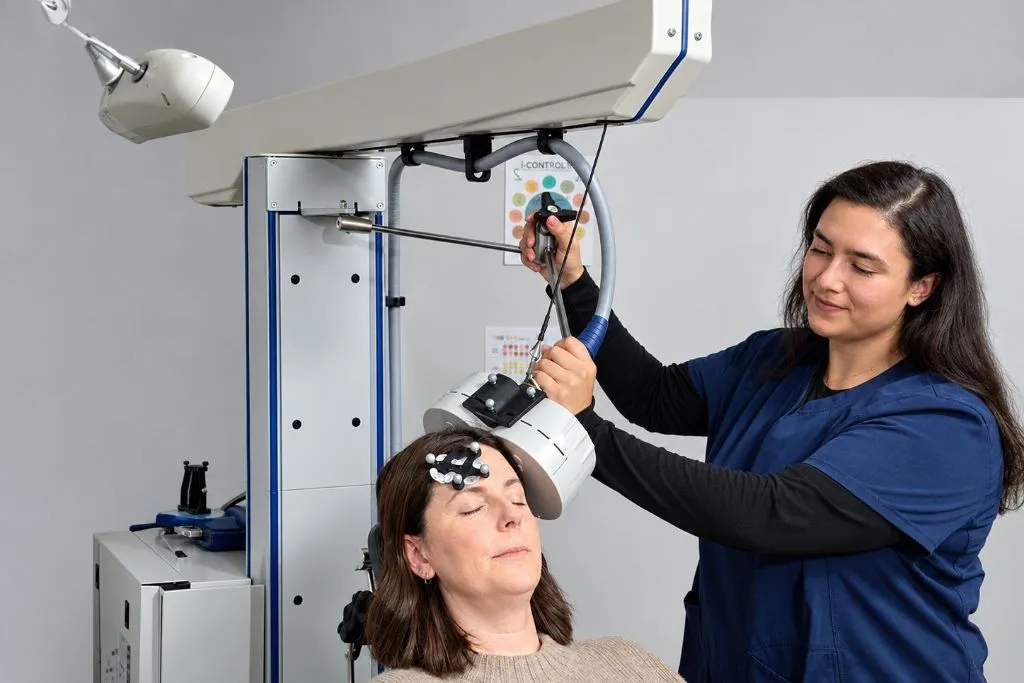
Transcranial Magnetic Stimulation (TMS) works differently. Using targeted magnetic pulses similar in strength to an MRI, TMS directly stimulates underactive neurons within the left dorsolateral prefrontal cortex (L-DLPFC). Through repetitive daily stimulation, dormant neural pathways regain their firing capacity and establish lasting connections with deeper emotional circuits. Because TMS rebuilds biological neural function, its mood-lifting benefits persist long after daily sessions end.
Learn more about our customized neuromodulation protocols on our dedicated TMS Therapy Service Page.
Clinical Research: What the Numbers Say About Remission Timelines
Extensive psychiatric literature confirms that the benefits of TMS for depression are both significant and long-lasting:
Short-Term Remission: 6 to 12 Months
In landmark multi-center trials evaluating patients with treatment-resistant depression, researchers observed that 62.5% to 68% of acute responders maintained their full clinical response or remission status at 12 months post-treatment without daily maintenance therapy. Patients reported sustained improvements in occupational functioning, social engagement, and vitality throughout the first year.
Extended Durability: 1 to 2 Years and Beyond
Two-year naturalistic follow-ups demonstrate that approximately half of initial responders continue enjoying stable emotional relief past the 24-month horizon. While life stressors or biological factors can eventually trigger symptom resurgence in some individuals, the neural improvements established during TMS provide an enduring foundation that makes future re-treatment faster and more effective.
Looking for Sustainable Relief from Treatment-Resistant Depression?
If medications have failed to deliver lasting results or caused unmanageable side effects, FDA-cleared neuromodulation offers renewed hope. Our board-certified clinical team provides comprehensive evaluations and personalized brain mapping to support long-term remission.
Have questions about treatment timelines or insurance coverage? Call us at (602) 824-8404 or request a confidential consultation online →
The Neurobiology of Long-Lasting Relief
The durability of TMS stems from fundamental neurobiological mechanisms that reshape brain architecture:
Synaptic Plasticity and Long-Term Potentiation (LTP)
High-frequency magnetic stimulation induces Long-Term Potentiation (LTP)—the primary cellular mechanism behind memory formation and neuroplasticity. By repeatedly activating synaptic junctions between prefrontal cortical neurons, TMS permanently strengthens their communicative efficiency, allowing healthy mood regulation to continue autonomously.
Restoring Prefrontal-Limbic Functional Connectivity
Depression disrupts the regulatory dialogue between the prefrontal cortex and hyperactive limbic structures like the amygdala. TMS restores top-down executive control over these emotional centers, dampening negative rumination and emotional volatility over the long term.
Elevating Brain-Derived Neurotrophic Factor (BDNF)
Repetitive stimulation increases cerebral expression of Brain-Derived Neurotrophic Factor (BDNF), a key growth protein that reverses depression-induced dendritic atrophy and stimulates new synaptic connections. This biological repair fortifies the brain against future depressive episodes.
Key Factors That Influence How Long Treatment Results Last
While treatment longevity is well-documented, individual duration depends on several key clinical and personal factors:
- Completing the Full Initial Protocol: Finishing all recommended 30 to 36 sessions is crucial. Discontinuing early interrupts synaptic consolidation. Review our guide on how many sessions of TMS are needed for detailed course structures.
- Managing Middle-Phase Adjustments: Some patients experience brief symptom fluctuations during weeks two or three. Learn about the temporary "TMS dip" in our clinical overview on whether TMS can make depression worse.
- Chronicity of Depressive Illness: Patients with decades of unmanaged depression may need earlier maintenance support than those with shorter illness histories.
- Integrating Psychotherapy & Healthy Habits: Engaging in cognitive behavioral therapy while neuroplasticity is elevated helps solidify positive thinking patterns, while consistent sleep, moderate exercise, and stress reduction significantly extend remission.
Comparing Treatment Longevity: TMS vs. Medications, Spravato, and ECT
Evaluating how TMS compares to other depression modalities highlights its distinct advantages in durability and tolerability:
| Treatment | Duration of Relief | Mechanism | Ongoing Requirement | Primary Side Effects |
|---|---|---|---|---|
| TMS Therapy | 12 to 24+ Months | Neuroplastic synaptic remodeling via focused electromagnetic fields. | None for most; periodic booster sessions if needed. | Mild, temporary scalp tingling or mild headache. |
| Antidepressant Medications | Only while taken daily | Systemic reuptake inhibition of serotonin and norepinephrine. | Daily lifelong adherence. | Weight gain, sexual dysfunction, insomnia, nausea. |
| Spravato (Esketamine) | Several months with maintenance | NMDA glutamate receptor antagonism and rapid synaptogenesis. | Bi-weekly or monthly in-clinic visits. | Transient dissociation, sedation, elevated blood pressure. |
| Electroconvulsive Therapy | High initial relief; frequent relapse within 6 months | Generalized cerebral seizure induction under anesthesia. | Frequent maintenance treatments required. | Memory loss, cognitive confusion, anesthesia risks. |
To learn more about alternative interventional options, read our guide on whether Spravato is covered by insurance and our clinical review of how TMS relieves comorbid anxiety.
What Happens If Depression Symptoms Return? The Role of Booster Sessions
Because major depression is a recurrent disorder, some patients experience mild symptom recurrence after 12 to 24 months. Recognizing early signs—such as emerging morning fatigue, loss of enthusiasm, or recurring sleep disturbances—allows for prompt intervention.
When symptoms re-emerge, patients do not have to restart from square one. A brief course of 3 to 10 booster sessions can rapidly re-engage synaptic plasticity and re-establish remission. Research published in the Journal of Affective Disorders demonstrates that patients who previously responded to TMS have an 80% to 85% success rate with repeat courses. Furthermore, most commercial insurance carriers and Medicare cover repeat TMS therapy following documented clinical recurrence.
For an additional perspective on treatment longevity and protocols, review our article on how long TMS lasts and overall treatment durability.
Final Thoughts: Achieving Sustained Emotional Freedom
Major depressive disorder can make lasting wellness feel out of reach, but advances in neuromodulation offer a powerful path forward. Transcranial Magnetic Stimulation delivers meaningful, drug-free relief that endures for one to two years for the majority of responders. Should symptoms re-emerge down the road, safe and proven booster options quickly re-establish emotional equilibrium.
At Interventional Psychiatry of Arizona in Phoenix, our experienced clinical team is dedicated to supporting your mental wellness through personalized care, state-of-the-art neuromodulation, and ongoing clinical guidance. Whether you are exploring treatment for the first time or seeking long-term remission strategies, we provide compassionate, individualized support throughout every phase of your recovery.
Frequently Asked Questions About TMS Durability for Depression
1. How long does TMS last for depression after completing a full course?
For most patients who respond to treatment, TMS results last between 12 and 24 months. Clinical studies demonstrate that approximately 68% of responders maintain their response or remission at the one-year mark without requiring ongoing daily treatments.
2. Is TMS therapy a permanent cure for clinical depression?
Major depression is a chronic medical illness, so TMS is not classified as a permanent single-course cure. However, because it physically stimulates long-term potentiation and synaptic plasticity, it provides significantly longer-lasting relief than daily oral medications and can be safely repeated if needed.
3. How often do patients need booster or maintenance sessions?
Maintenance needs vary by individual. Many patients never need booster sessions and remain symptom-free for years. For those who experience mild symptom resurgence (typically 12 to 18 months later), a brief booster protocol of 3 to 10 sessions is usually sufficient to restore remission.
4. Does health insurance cover repeat or booster TMS treatments?
Yes, most commercial insurance plans and Medicare provide coverage for repeat TMS courses when an individual previously achieved clinically meaningful improvement (50% or greater symptom reduction) and later experienced a recurrence.
5. Will I need to stay on antidepressant medications after TMS?
Many patients remain on a low maintenance dose or gradually taper off under physician supervision. Tapering decisions are made collaboratively based on clinical history, past relapse risk, and overall stability.
6. How effective is a second round of TMS if depression returns?
Highly effective. Peer-reviewed psychiatric research shows that patients who responded to their initial TMS course have an 80% to 85% likelihood of responding favorably to repeat treatment.
7. What lifestyle habits help prolong the benefits of TMS therapy?
Engaging in supportive psychotherapy, prioritizing consistent sleep, engaging in regular physical activity, practicing mindfulness, and managing life stressors all help preserve newly formed neural pathways.
Take the First Step Toward Long-Term Mental Wellness
You deserve compassionate, evidence-based care that delivers lasting relief from depression. Our experienced psychiatric physicians and interventional specialists are here to design a personalized treatment plan tailored to your brain's unique neurobiology.
Call Interventional Psychiatry of Arizona today at (602) 824-8404 or submit our confidential appointment request form to verify your insurance benefits and schedule an in-depth consultation.